
The shift to VoIP is no longer a future plan. In fact, it is happening now, across Kenyan businesses of all sizes. IP phones are the communication backbone of the modern office. As a result, they offer reliability, scalability, and lower call costs. Two brands lead this space in Kenya: Fanvil and Yealink. Both are SIP-based. In addition, both work with popular PBX systems and are stocked locally. However, they target very different buyers.
This guide breaks down the key differences. Specifically, we’ll cover audio quality, build, features, and pricing. We’ll also look at real-world fit for the Kenyan market. The goal, therefore, is to help you choose the right ip phone before you buy.
Brand Overview
Fanvil
Fanvil is a Shenzhen-based manufacturer. Over the years, they have built a strong position in the SMB and mid-market VoIP space. Fanvil phones offer competitive pricing and a deep feature set. In other words, you get solid performance without the premium price tag. The brand is particularly strong in intercom systems, hotel phones, and desktop IP phones. As a result, it is a popular choice in cost-sensitive markets like Kenya.
Their lineup includes the V-series and X-series, specifically, these range from basic 2-line desk phones to Android-powered touchscreen models. Browse the full range at Mtech Kenya’s Fanvil catalogue.

Yealink
Yealink a company located in singapore is one of the most recognised VoIP brands in the world. In fact, they are trusted by enterprises, call centres, and telcos in over 140 countries. The brand is known for exceptional audio quality and robust hardware. Their T-series phones are the industry standard in many call centres worldwide.
Yealink costs more than Fanvil. However, the price reflects better build quality, mature firmware, and long-term reliability.
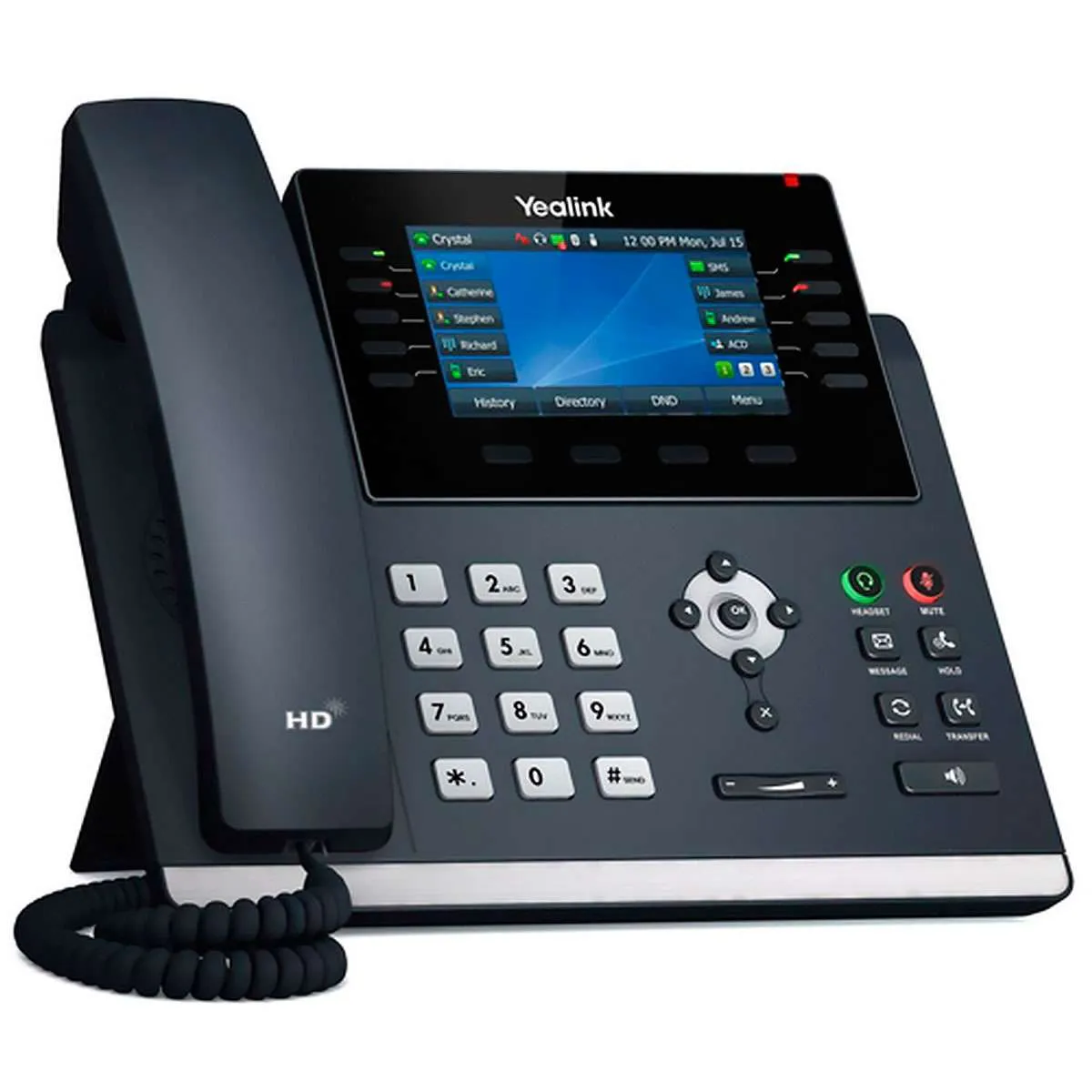
Key Features Comparison
1. Audio Quality
Both brands support HD voice. They use G.722 and Opus codecs for clear, wideband audio over SIP. However Yealink has a slight edge. Yealink’s Optima HD technology includes built-in noise cancellation. As a result, it sets a high bar for call clarity on the T4 and T5 series. This matters most in noisy environments like open-plan offices and call centres.
Fanvil HD audio is, nevertheless, very capable. It is more than adequate for standard business use. For most SMBs — reception desks, back offices, and meeting rooms — the difference is not big enough to justify the price gap.
Verdict: Yealink leads on audio precision. That said, Fanvil is more than sufficient for everyday business calls.
2. Build Quality and Design
Yealink phones have a premium feel. For instance, they feature sturdy plastics, well-weighted handsets, and backlit displays with good contrast. The design is also clean and modern. The T46U and T48G, in particular, feel built to last years of heavy daily use.
On the other hand, Fanvil’s V-series is a big improvement over the older X-series. Models like the Fanvil V62G and Fanvil V63 offer a modern look and solid build. The X-series, meanwhile, is still functional and durable. However, the design is more basic.
Verdict: Yealink wins on build and finish. Nevertheless, Fanvil’s V-series is catching up fast.
3. User Interface
Yealink’s interface is clean and intuitive. For example, menus are well organised and speed dial keys are easy to set up. In addition, touchscreen models feel genuinely responsive. As a result, new users pick it up quickly with very little training.
Fanvil’s interface, however, is functional but takes a little more time to learn. That said, the web admin portal is comprehensive. Furthermore, newer V-series models have improved the on-device menu experience considerably.
Verdict: Yealink is more user-friendly out of the box. Still, Fanvil is close with V-series hardware.
4. SIP and PBX Compatibility
Both brands are fully SIP 2.0 compliant. In other words, they work reliably with Asterisk, FreePBX, 3CX, Yeastar, and hosted SIP providers. Both also support auto-provisioning. Furthermore, both integrate smoothly with Yeastar PBX systems, which are common in Kenya. Therefore, neither brand has a meaningful advantage here.
5. Advanced Features
| Feature | Fanvil | Yealink |
|---|---|---|
| Wi-Fi built-in | Select models (V62W, X303W) | Select models (T31W, W60P) |
| Bluetooth | Select models (V62W, V63) | Select models (T46U, T48G) |
| Android OS | V67, X7A | T57W, T58A |
| Video screen | X7A, C600, V67 | SIP VP-T49G |
| DECT cordless | W610D, W710 | W52P, W56P, W60P |
| USB headset support | Yes | Yes |
Overall, both brands offer comparable advanced features. However, Yealink’s DECT range is more mature and widely deployed. In contrast, Fanvil has a broader intercom ecosystem. It connects natively with their door phone range. This is, therefore, a clear advantage for properties that need unified communication and access control.
Price Comparison — Kenya Market
This is where the choice becomes clear for most Kenyan buyers.
Entry-Level
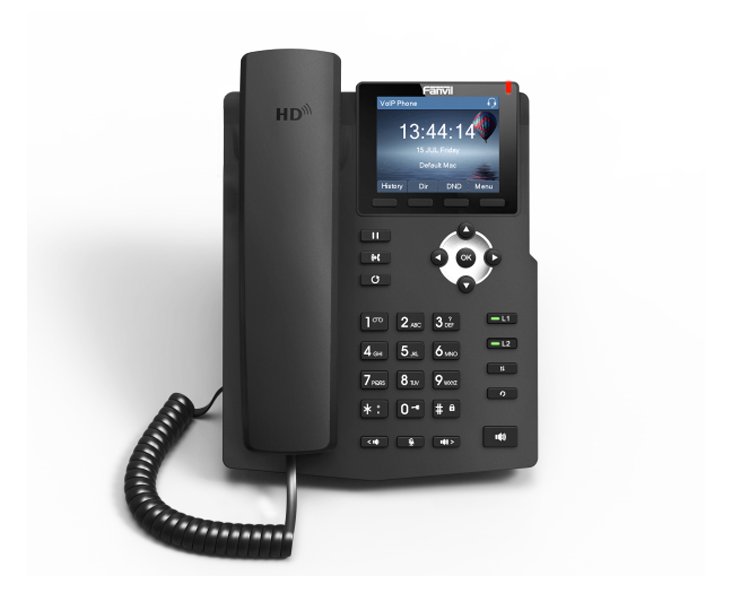
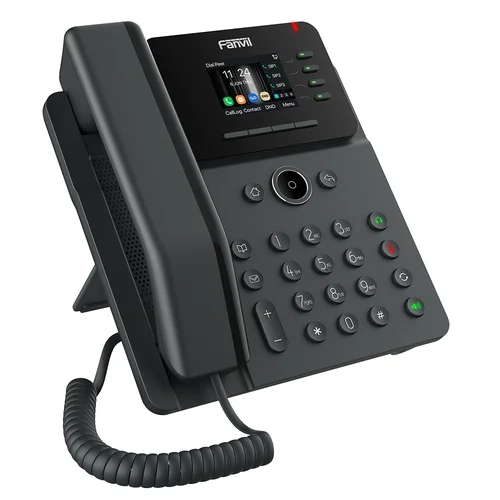

| Model | Price (KES) At Mtech Technologies |
|---|---|
| Fanvil X3SP 2-Line PoE IP Phone | 5,000 |
| Fanvil V60P Basic Level IP Phone | 5,500 |
| Yealink SIP-T31 IP Phone | 6,500 |
At entry level, Fanvil clearly offers more phone for less money. For a business deploying 20–50 handsets, that difference adds up quickly.
Mid-Range
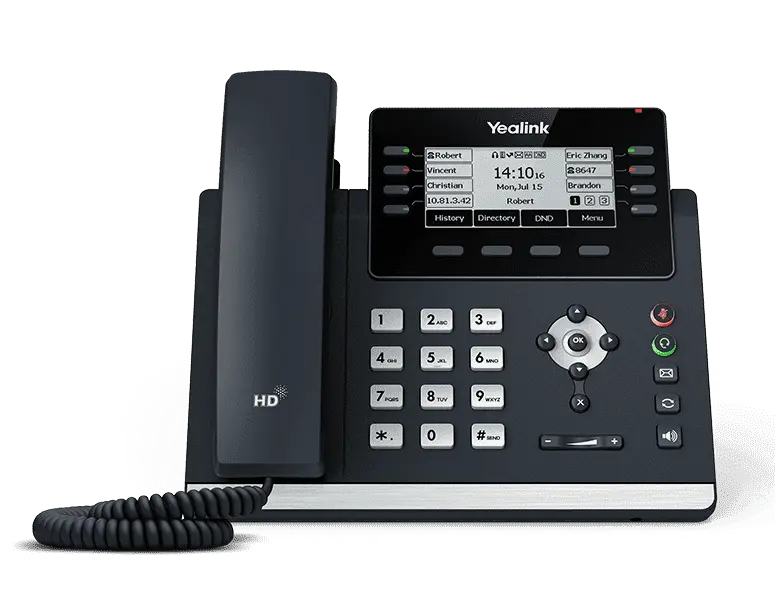
| Model | Price (KES) At Mtech Technologies |
|---|---|
| Fanvil V62G Prime Business Phone | 6,500 |
| Yealink SIP-T43U IP Phone | 16,500 |
The gap widens significantly at mid-range. For instance, the Fanvil V62G gives you gigabit, HD audio, BLF keys, and a colour display. All of that at under half the price of the Yealink T43U.
High-End
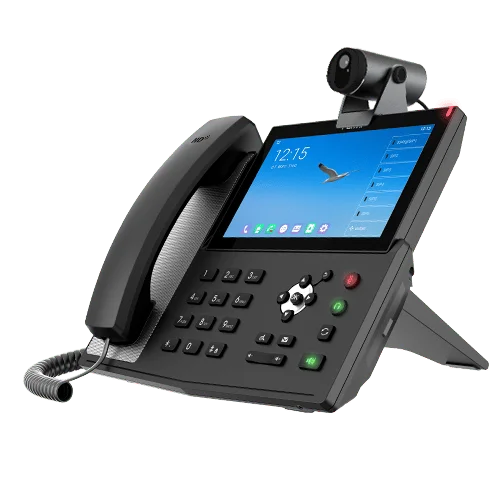
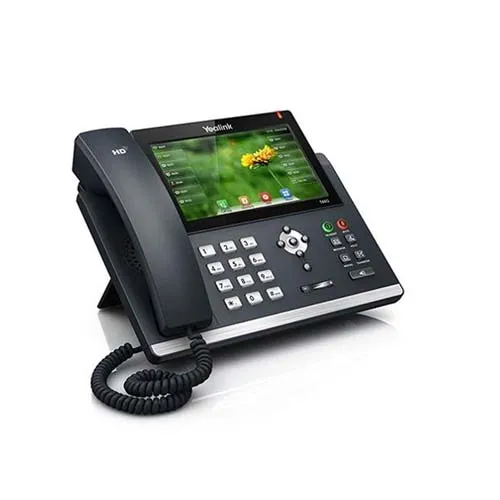
| Model | Price (KES) At Mtech Technologies |
|---|---|
| Fanvil X7A Android Touch Screen IP Phone | 25,500 |
| Fanvil X210 High-end Enterprise IP Phone | 23,000 |
| Yealink T46U IP Phone | 28,500 |
| Yealink SIP-T48G Gigabit Touchscreen Phone | 32,200 |
At the high end, prices are much closer. In this case, Yealink’s track record in call centres justifies the cost for demanding environments.
Best Use Cases
When to Choose Fanvil
- Small and medium businesses deploying 5–50 handsets on a budget
- Apartments and properties needing integrated intercom and phone systems
- Hotels — Fanvil’s H-series hotel phones are purpose-built for hospitality
- Budget-conscious deployments where value per handset matters most
- Mixed setups that include door phones, indoor stations, and desktop phones from one vendor
When to Choose Yealink
- Call centres requiring high call volume reliability and superior audio
- Large enterprises with 100+ seats and demanding uptime requirements
- DECT-heavy environments — Yealink’s W-series is best-in-class
- Deployments where firmware stability and long-term vendor support are non-negotiable
- Premium buyers who prioritise polish and performance above all
Side-by-Side Comparison
| Feature | Fanvil | Yealink |
|---|---|---|
| Price (entry) | From KES 5,800 | From KES 7,500 |
| Price (mid-range) | From KES 8,000 | From KES 18,000 |
| Price (high-end) | From KES 26,000 | From KES 30,000 |
| Audio quality | HD voice, very good | HD voice, excellent |
| Build quality | Good (V-series: very good) | Premium |
| User interface | Functional, improving | Intuitive, polished |
| SIP compatibility | Full SIP 2.0 | Full SIP 2.0 |
| Intercom ecosystem | Native (door phones, stations) | Limited |
| DECT range | Available | Market-leading |
| Android models | Yes (X7A, V67) | Yes (T57W, T58A) |
| Best for | SMBs, hotels, apartments | Enterprises, call centres |
| Local stock at Mtech | Yes | Yes |
Pros and Cons
Fanvil
Pros
- Lower price across all tiers
- Native intercom integration — great for property deployments
- Wide range from basic to enterprise
- Good SIP and PBX compatibility
- V-series offers modern design and strong features
Cons
- Less recognised brand globally
- Firmware updates can be slower than Yealink
- DECT range not as mature as Yealink’s W-series
Yealink
Pros
- Industry-leading audio quality
- Premium build for heavy daily use
- Mature, stable firmware with regular updates
- Best-in-class DECT cordless range
- Globally trusted brand
Cons
- Significantly more expensive, especially at mid-range
- No native intercom ecosystem
- Hard to justify the cost for smaller businesses
Which Is Better for Kenya?
Kenya’s business environment rewards pragmatism. In fact, internet infrastructure has improved a lot in recent years in Kenya according to business daily . Nairobi, Mombasa, Kisumu, and other major towns now have reliable fibre options. As a result, both brands perform well on a stable connection.
Cost sensitivity: Most Kenyan SMBs are deploying 10–50 handsets. At that scale, choosing Fanvil over Yealink at mid-range can save KES 200,000–500,000 on hardware alone. Consequently, that money goes back into the business.
Support and availability: Both brands available in most computer shops in Nairobi like Mtech Kenya with full local support and 1yr warranty. Therefore, neither has a logistics advantage.
Power reliability: Both support PoE. As a result, a good UPS on your switch will protect either brand during power outages.
Our recommendation:
- For most Kenyan businesses — Fanvil. The value is compelling. You get HD voice, SIP compatibility, and modern features at a fraction of the Yealink cost.
- For call centres and large enterprises — Yealink. When call quality drives revenue, Yealink justifies its price. It is, in short, the most reliable hardware you can buy.
Frequently Asked Questions
Q: Are Fanvil phones reliable for daily business use?
A: Yes. In fact, Fanvil phones are SIP 2.0 compliant and HD voice capable. They are used by thousands of businesses across Africa. In particular, the V-series offers excellent day-to-day reliability.
Q: Is Yealink worth the higher price?
A: For call centres and large enterprises — yes. However, for typical SMB use, the premium is harder to justify. After all, Fanvil delivers comparable capability at a lower cost.
Q: Which brand works better with PBX systems?
A: Both are fully SIP 2.0 compliant. In other words, they work equally well with Asterisk, FreePBX, 3CX, and Yeastar. Therefore, neither has a PBX compatibility advantage.
Q: Which is better for a call centre in Kenya?
A: Yealink. For example, their T4 and T5 series are proven in high-volume call centres worldwide. Audio quality, BLF support, and build durability are, as a result, best-in-class.
Q: Can I mix Fanvil and Yealink phones on the same PBX?
A: Yes. Since both use the open SIP standard, they can register to the same PBX at the same time. In practice, many businesses use Fanvil for back-office staff and Yealink for call centre agents.
Final Verdict
Both Fanvil and Yealink are strong IP phone brands. However, the right choice depends on your budget, scale, and use case.
- Choose Fanvil if you are an SMB, hotel, or budget-conscious buyer. You get modern features without the premium price. In short, the Fanvil V-series offers the best value per handset.
- Choose Yealink if you run a call centre or need 100+ seats. It delivers the best audio and firmware reliability. As a result, the Yealink T-series remains the gold standard for enterprise VoIP.
Either way, both brands are available with local stock and support at Mtech Technologies Kenya.